Cheap Code, Expensive Cleanup
Plus FastMCP guardrails, local agent docs, and real-PR benchmarks

The AI buzzword leaderboard taking shape, with harness climbing fast and a minor dispute over whether agent and agentic count separately.
Hit reply with the buzzword you’re hearing most. As well as joining the leaderboard it’ll also help make sure the newsletter reaches you when it starts coming from demetrios@aaif.live as part of our move to the Agentic AI Foundation.
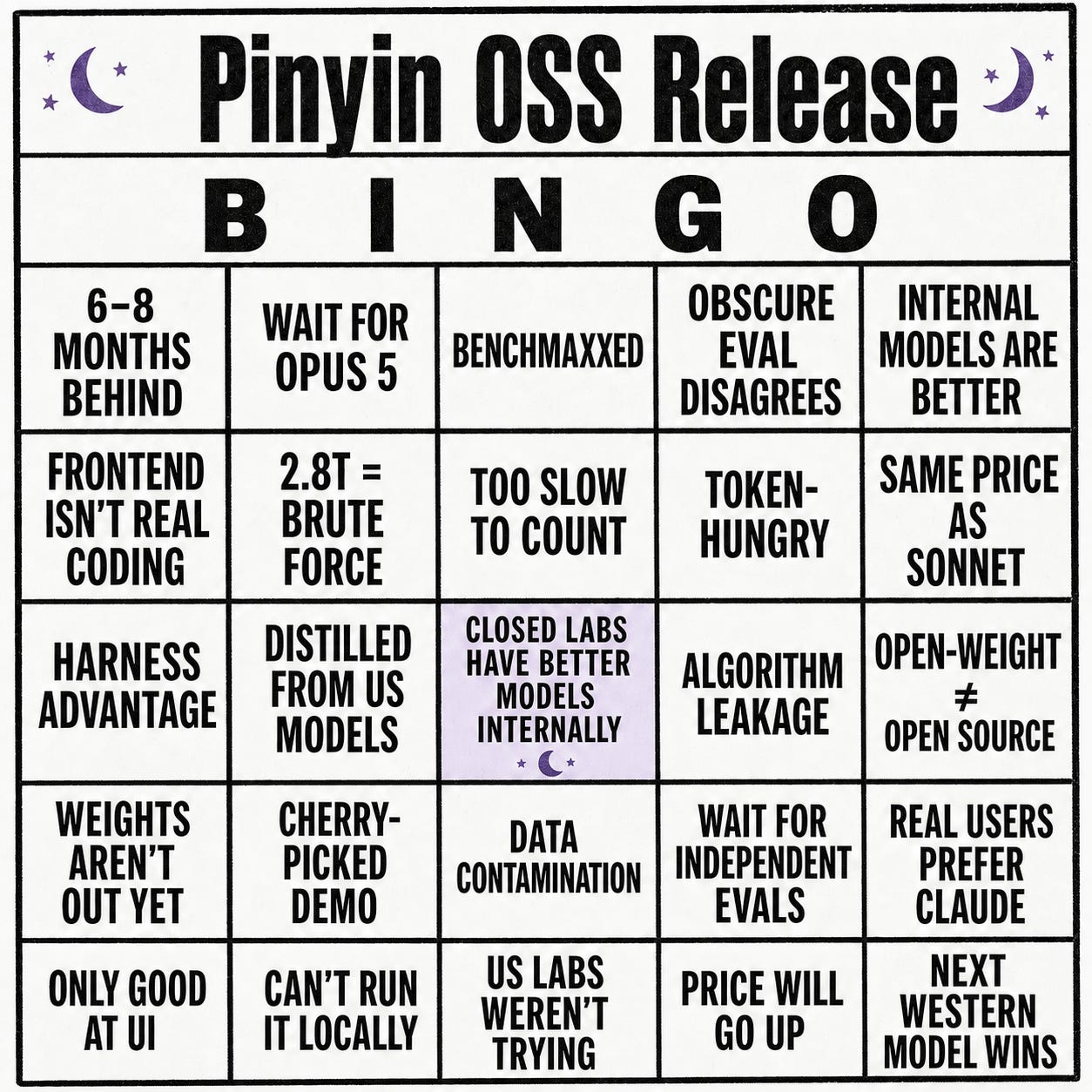
We might even use them to make a bingo card like this week’s meme.
HOT TAKE
Who You Gonna Call?
Models pick the wrong tool long before a server hits 1,000 of them.
Who should own tool overload, server or client?
LAST WEEK’S TAKE
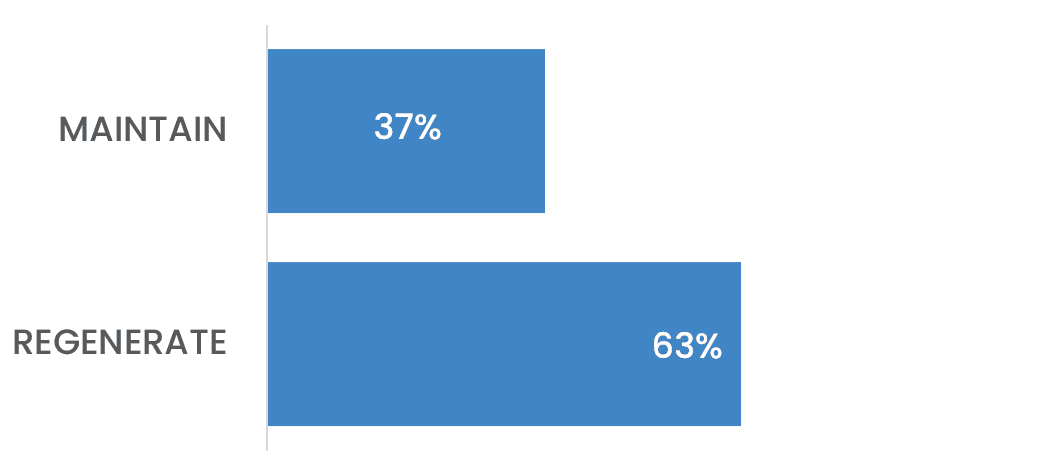
The Next Re-Generation
Agent-built internal tools now have the life expectancy of a Star Trek redshirt.
EXTRA 15% OFF EARLY BIRD
Meet the People Building MCP
AGNTCon + MCPCon brings together the people building MCP and agent systems in production, with technical sessions covering architecture, infrastructure, interoperability, security, observability, and more.
Use promo code COMMUNITY15 for an extra 15% off the early-bird price.
North America: San Jose, October 22–23
Early bird ends July 28
Europe: Amsterdam, September 17–18
Early bird ends August 2
HIDDEN GEMS
Curated finds to help you stay ahead
Coding Agent Benchmark on Real PRs
Built from recent, human-written PRs across a multi-million-line codebase, the benchmark compares model and harness quality, task-level cost, context efficiency, and performance across different coding complexities.
Official MCP Certification Exam Scope
Covering architecture, message flow, tool invocation, security, governance, and ecosystem use cases, the vendor-neutral MCPA sets out the foundational MCP knowledge developers need for the exam.
Agent Infrastructure Trends Report
Drawing on 30 days of AI Tinkerers demos, the report tracks emerging patterns in cognitive architecture, context-cost optimization, and agent harnesses for reliability, governance, security, and production deployment.
One-Click Hermes Agent Deployment
Combining one-click Docker deployment with persistent memory, multi-platform messaging, scheduled tasks, subagents, and support for 200+ models, the service offers a managed VPS route to running Hermes Agent.
JOB OF THE WEEK
Senior Data Engineer // WalletConnect // Remote, UK
WalletConnect develops infrastructure connecting wallets and applications across blockchain networks. The Senior Data Engineer will build and operate event-driven pipelines, real-time processing systems, and backend data services supporting payments, financial reconciliation, merchant reporting, operational monitoring, and product analytics.
Responsibilities
Build and operate event-driven pipelines for high-volume payment transactions.
Scale real-time data systems from MVP to production architecture.
Model ledger data for reconciliation, settlements, fees, and reporting.
Develop backend services exposing data through internal platforms and APIs.
Requirements
Five-plus years building and operating production data systems.
Expertise in SQL, Python, and large-scale data processing.
Experience with Airflow, dbt, ClickHouse, and event-driven architectures.
Comfortable reviewing and productionizing code from AI-assisted development tools.
MLOPS COMMUNITY
What Happens When Every Developer Has 20 AI Agents
AI can generate code faster than teams can review, secure, deploy, or even remember where they put it. The result may be a flood of disposable apps and agents rather than a clean productivity gain.
Cheap code shifts the burden toward maintenance, governance, and deciding what deserves to survive.
Build systems, package repositories, security reviews, and maintainers are already absorbing more traffic and more work.
MCP adoption is rising quickly because it connects capable models to useful internal data.
The advantage will go to teams that can turn cheap code into software they can still trust and operate.
The Creator of FastMCP Explains the Future of MCP
Give an agent raw access to a data warehouse and it may answer one question by taking the warehouse down and running up the bill. MCP’s strongest use may be controlled internal access rather than public-facing integrations.
FastMCP turns Python functions into servers while handling schemas and protocol details.
Curated tools can make company data self-serve without exposing unrestricted queries.
MCP Apps return interactive tables and charts without stuffing every row into the LLM context.
The useful layer is the guardrail between agents and the systems they touch.
A Discussion on Loop Engineering
A coding loop can launch 75 agents and burn through its token budget in minutes if its controls are wrong. Making agents autonomous requires more than repeating prompts until the tests pass.
Machine-readable plans, tests, and independent reviewers give each loop a measurable target.
Observability and evals show where systems drift, stall, or waste tokens.
Persisted failure modes and learnings let later runs avoid repeating the same mistakes.
The useful loop is the one that knows when to stop.
Agent Docs: Answer Locally Before the Web — A Shared Reference for Every Coding Agent
Your coding agent can be perfectly faithful to the wrong documentation. Stale search results and repeated web lookups add latency, token cost, and version-specific errors that often surface only when the code breaks.
A local
.agents/docs/map points agents to approved upstream pages before they search.Project-scoped references stay diffable in Git and consistent across coding tools.
Verification dates, changelogs, and stale warnings make outdated guidance visible.
The result is faster retrieval with fewer wrong-version mistakes.
MCP RELEASE PARTIES
Amsterdam - July 29
London - July 28
New York - July 28
San Francisco - July 28
Seattle - July 28
IN-PERSON EVENTS
San Francisco - July 30
Pune, India - August 1
San Francisco, Voice Agents Forum - September 16
VIRTUAL EVENTS
Coding Agents Lunch & Learn Session - July 24
MEME OF THE WEEK
ML CONFESSIONS
Green Every Day
I set up a drift check for our fraud model that compared each day’s scores with the previous day. It stayed green for nearly three weeks.
The average score had fallen from 0.41 to 0.18 over that period, slowly enough that no single day crossed the threshold. I was checking the merchant category report most mornings too, working down the merchant list from the top and stopping once the names stopped being ones I recognized.
The manual review queue was down by about half before someone in finance asked whether we had changed the fraud policy.
We had not. A vendor had updated its merchant category taxonomy, and a lot of smaller merchants were now landing in “unknown.” Unknown was rare in training and mostly legitimate when it did appear, so the scores came down.
Everything that moved was further down the list than I ever got.
Share your confession here.